![[HERO] The AAU Trap: Why Your Offseason Needs Skill Work, Not Just Games](https://cdn.marblism.com/cT89H2-AqT4.webp)
Basketball season is wrapping up, and you know what that means. Parents are already getting those AAU emails, tournament schedules are filling up calendars, and there’s this rush to get kids signed up for the next thing. I get it: nobody wants their athlete to fall behind. But here’s the truth: jumping straight into AAU, especially for elementary and middle school kids, might be the worst thing you can do for your young athlete’s development.
Let me be straight with you. The offseason isn’t about playing more games. It’s about building the foundation that will make those games matter when it counts.
The AAU Rush Is Real (And Costly)
Every March, the same pattern repeats itself. Season ends on Saturday, and by Monday, parents are scrambling to find an AAU team. The fear of missing out is real. “If we’re not playing, everyone else will get better and leave us behind.” Sound familiar?
Here’s what actually happens: your athlete plays game after game, weekend after weekend, with minimal practice time in between. They’re reinforcing the same habits: good and bad: over and over. There’s no time for correction. No time for skill refinement. No time for fundamental development.
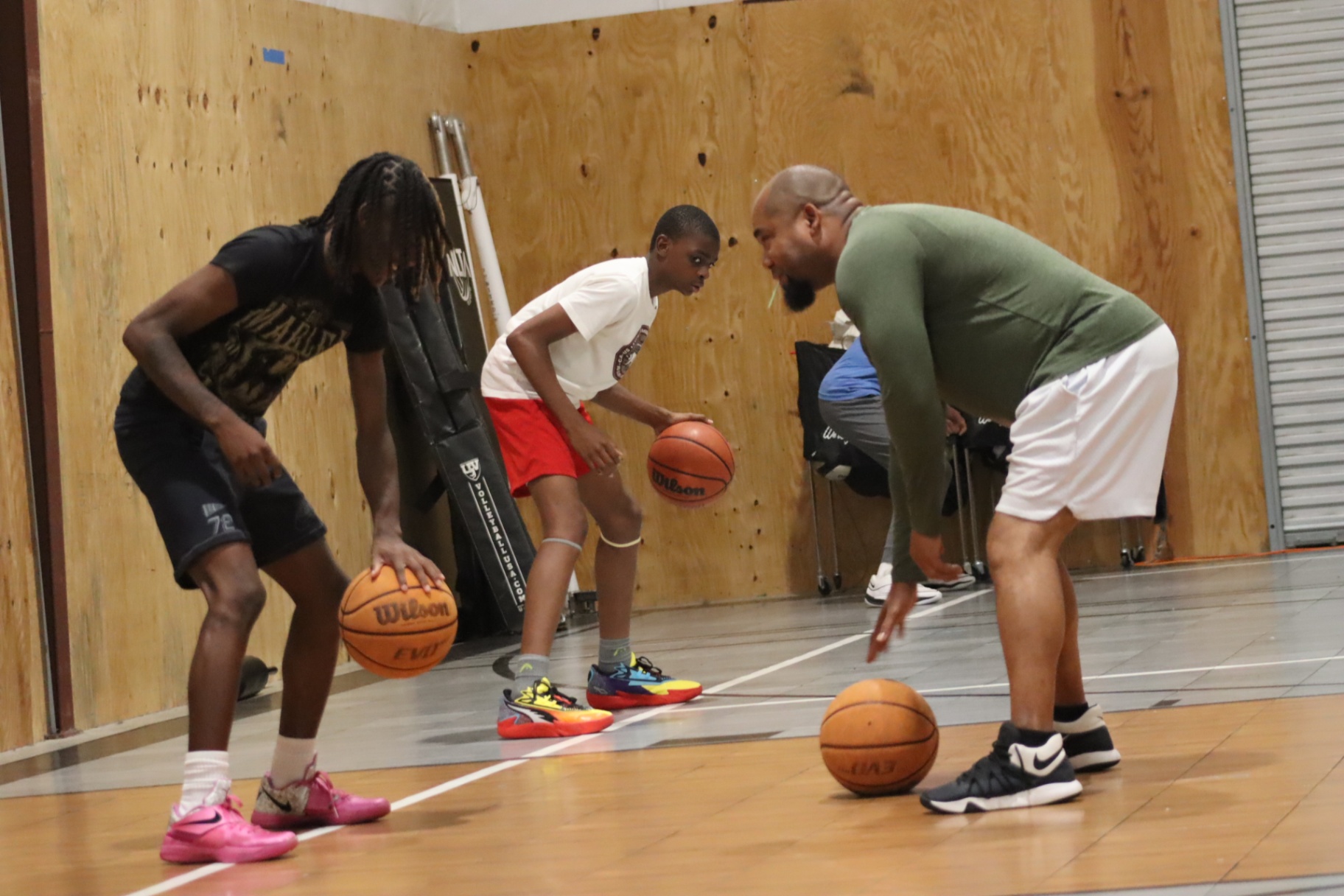
And let’s talk about the elephant in the room: elementary and middle school AAU programs. Your 10-year-old doesn’t need to be traveling to three states for tournaments. They need to learn how to properly shoot, dribble with both hands, and understand spacing. Those fundamentals will serve them for years. That trophy from a third-grade tournament? It’ll be in a box somewhere by high school.
What Young Athletes Actually Need
Your young athlete’s body and mind are developing. This is the prime time to build proper mechanics, develop coordination, and create muscle memory that will last a lifetime. You can’t do that by playing game after game.
Think about it like building a house. Would you start putting up walls before you have a solid foundation? Of course not. But that’s exactly what premature AAU does: it asks kids to compete at a high level before they’ve mastered the basics.
During the offseason, young athletes need:
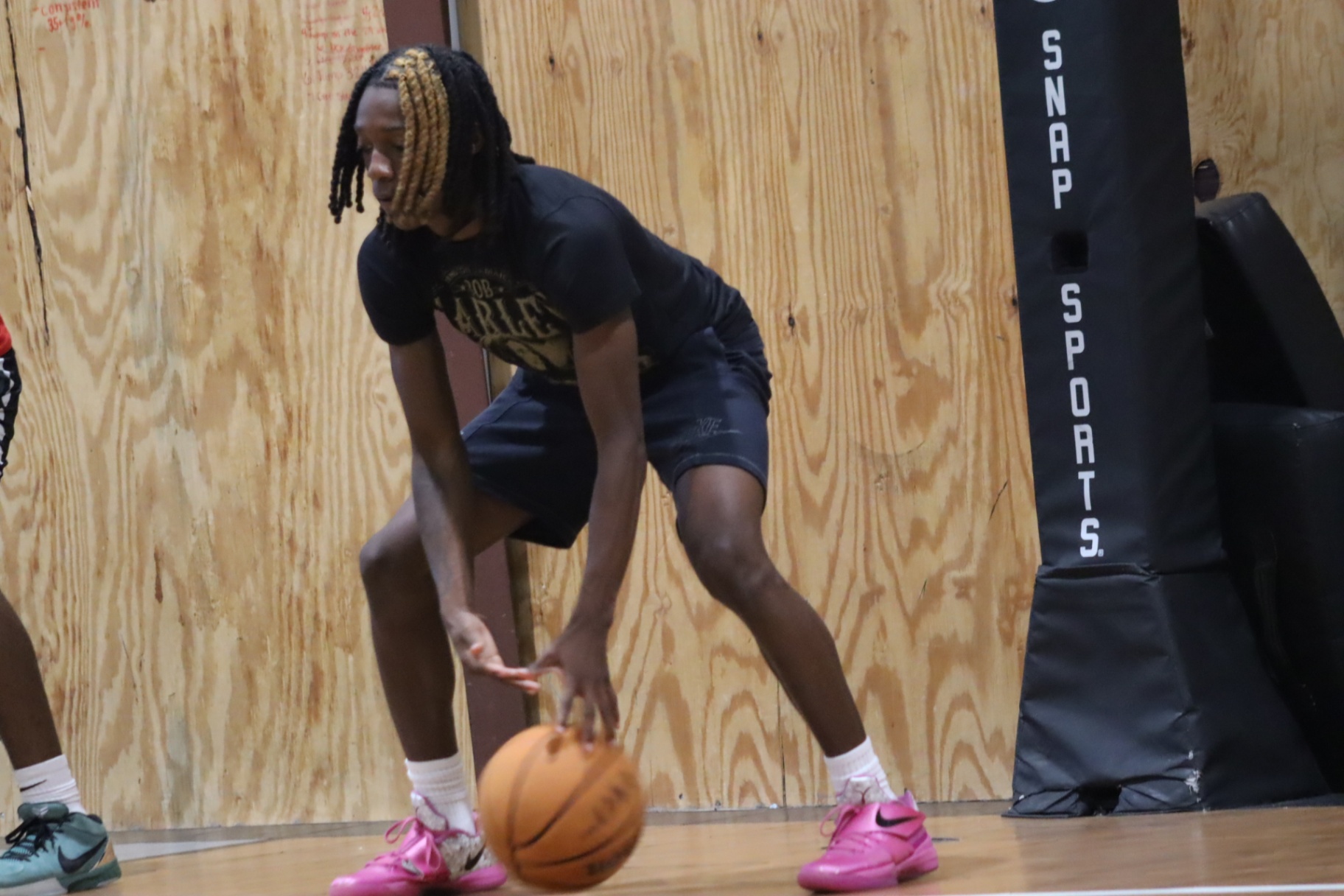
Focused skill development where they can work on specific techniques without the pressure of game situations. They need hundreds of repetitions with proper form, not rushed movements in chaotic game scenarios.
Strength and conditioning that’s age-appropriate and builds the physical foundation for future athletic demands. This isn’t about making an 11-year-old lift heavy weights: it’s about developing body awareness, balance, and functional movement patterns.
Time to recover both physically and mentally. Basketball seasons are long. Kids need a break from the mental pressure of competition while still staying active and improving.
The Skill Work Advantage
Here’s what happens when you prioritize skill work over premature competition: your athlete actually gets better. Revolutionary concept, right?
At Next Level Training Academy, we see it all the time. Athletes who spend their offseason working on fundamentals come back to their next season completely transformed. Their footwork is cleaner. Their shooting form is more consistent. They understand the game better because they’ve had time to slow down and learn it properly.
Skill work allows for:
Immediate feedback and correction. In a game, your athlete might take 10 shots. In a focused shooting session, they can take 200 shots with a coach watching and correcting form on each one. Which scenario do you think leads to better shooting?
Building both-hand proficiency. Every AAU player can go right. Know what separates good players from great ones? The ability to go left just as effectively. That only comes from dedicated practice time.
Developing basketball IQ. Understanding spacing, reading defenses, and making smart decisions happens when you have time to learn concepts and practice them deliberately: not in the chaos of constant tournament play.
The Long Game Wins
I’ve been in this industry long enough to see patterns. The kids who dominate in elementary and middle school AAU? A lot of them burn out or plateau by high school. They’ve played so many games that basketball stops being fun. They’ve reinforced bad habits for so long that breaking them becomes nearly impossible.
Meanwhile, the athletes who spent their offseasons developing skills, getting stronger, and learning the game? They’re the ones making varsity teams, earning starting positions, and still loving the sport in high school and beyond.
College coaches aren’t looking for the kid who won a bunch of tournaments in sixth grade. They’re looking for the athlete who has elite skills, understands the game, and still has room to grow because they haven’t been burnt out by over-competition.
Making the Most of Your Offseason
So what should your offseason look like? Here’s the game plan:
Start with a skills assessment. Figure out where your athlete’s weaknesses are. Can they dribble with their left hand? Is their shooting form consistent? How’s their defensive footwork? Identify the gaps and make a plan to fill them.
Commit to structured training. This means working with qualified coaches who understand skill development and can provide the individual attention your athlete needs. Check out our sport skills training programs designed specifically for this kind of fundamental development.
Incorporate performance training. This is the time to build athleticism. Speed, agility, vertical jump: all of these improve with proper training. Our VertiMax training can help athletes develop explosive power that translates directly to better performance on the court.
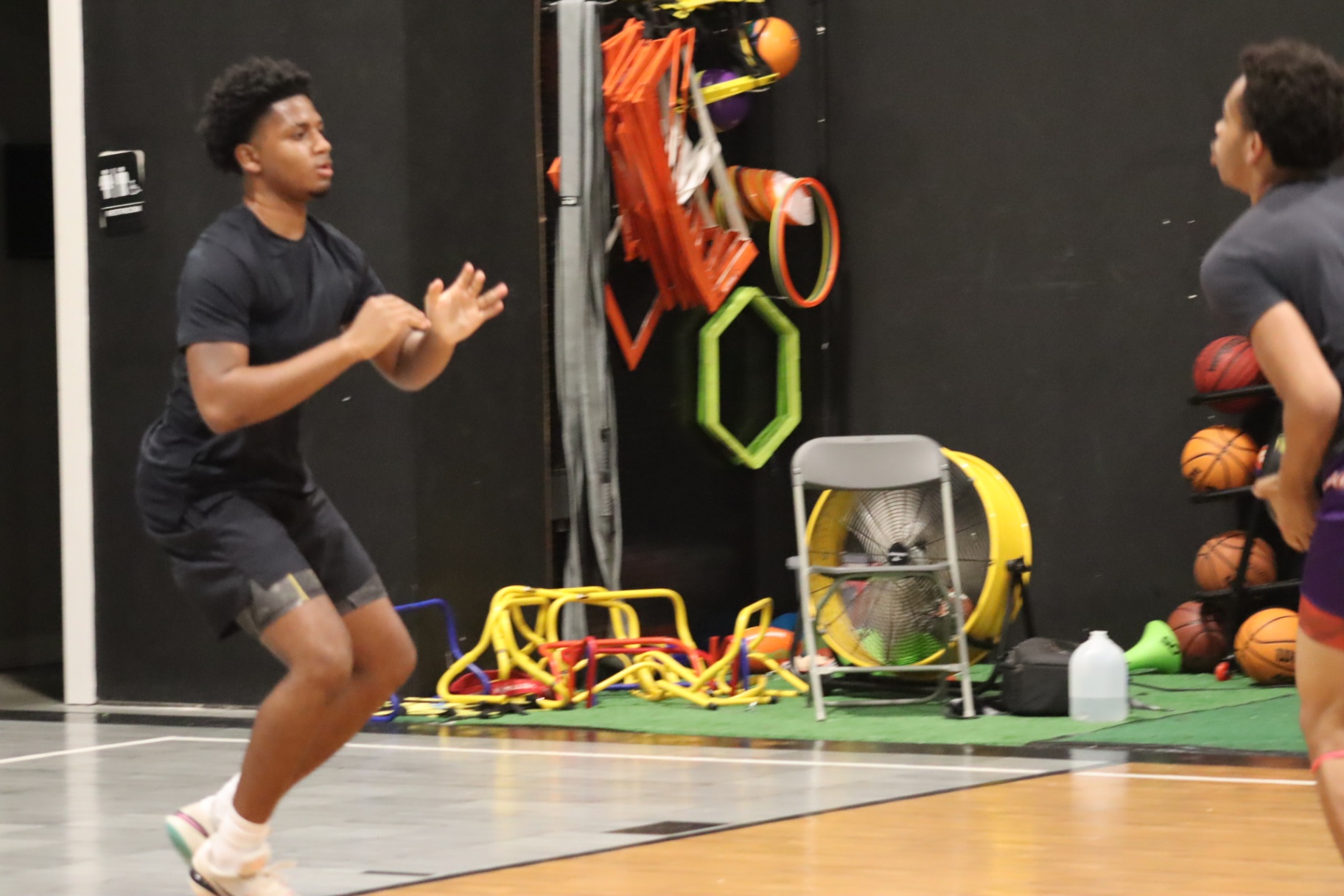
Stay consistent. Three focused training sessions per week will do more for your athlete’s development than weekend tournaments scattered throughout the spring. Consistency builds habits, and habits build skills.
Let them be kids. Remember, they’re elementary or middle school aged. They should also have time for other activities, family, and just being a kid. The offseason doesn’t mean non-stop basketball: it means smart basketball development.
When AAU Makes Sense
Look, I’m not saying AAU is evil. It has its place. For high school athletes preparing for college recruitment, AAU provides necessary exposure and competition against top talent. But for younger athletes still developing fundamental skills? The cost-benefit analysis doesn’t add up.
If you do decide to play AAU with your younger athlete, be strategic. Limit the number of tournaments. Make sure the team actually practices, not just plays games. And supplement with dedicated skill training so your athlete isn’t just running on a treadmill of competition without actually improving.
The Bottom Line
Your athlete’s basketball journey is a marathon, not a sprint. The decisions you make now about how they spend their offseason will impact their athletic development for years to come. Choose skill development over premature competition. Choose quality coaching over constant games. Choose long-term growth over short-term trophies.
The offseason is your secret weapon. While everyone else is burning out on AAU circuits, your athlete can be building the foundation that will make them unstoppable when it really matters.
Want to make this offseason count? Book a free session at Next Level Training Academy and let’s create a development plan that will actually move the needle for your young athlete. Because at the end of the day, we’re not just building basketball players: we’re building athletes who are prepared for long-term success.
Making sure we take your game to the next level means knowing when to compete and when to develop. This offseason, choose development. Your athlete’s future self will thank you.