
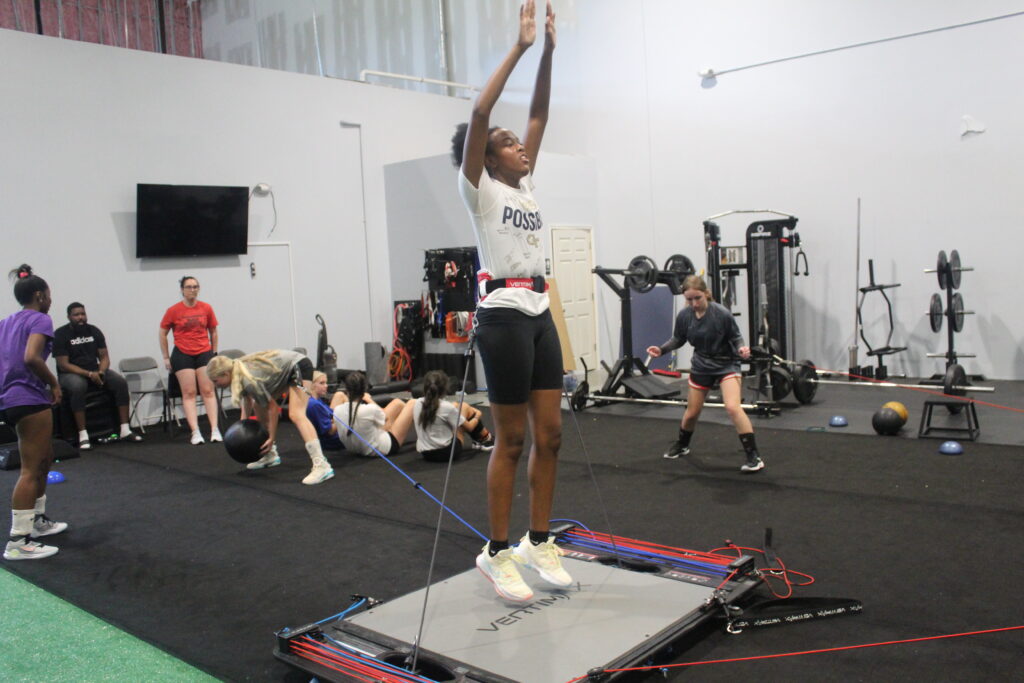
Whether you’re a parent supporting your young athlete or a coach working with developing players, you want to see them succeed. But here’s the thing: many well-intentioned training approaches can actually hold young athletes back from reaching their full potential. The methods that work for college or professional athletes often aren’t just ineffective for youth: they can be downright harmful for developing bodies and minds.
Understanding these common pitfalls and how to address them will make a significant difference in your young athlete’s development, safety, and long-term success. Let’s dive into the seven biggest mistakes happening in youth sports training right now and how you can fix them to help your athlete perform better.
Mistake #1: Constantly Adding New Exercises and Drills
Here’s what’s happening: You think keeping things “interesting” means introducing new movements every single session. Young athletes bounce from drill to drill, exercise to exercise, never spending enough time on anything to actually master it.
Why this backfires: Young athletes don’t benefit from endless variety: they thrive on competency and visible progress. When exercises change constantly, they lose the opportunity to develop that crucial sense of mastery. They want to feel proud of getting stronger at movements they know well, not confused by something new every week.
The fix: Focus on mastering fundamentals by choosing 4-5 core movement patterns like squats, lunges, push-ups, and planks, then stick with them for several weeks. Athletes will actually enjoy the consistency and feel accomplished as they improve. Progressive overload doesn’t require new exercises: it requires getting better at the ones that matter most.
Mistake #2: Jumping to Heavy Weights Too Quickly
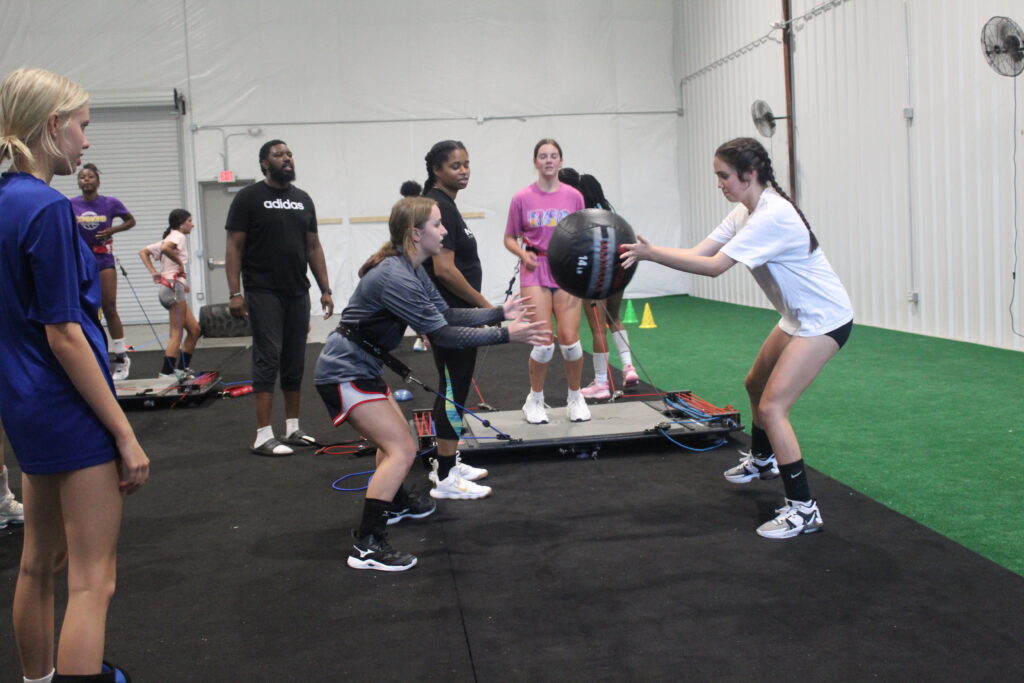
This is one of the most dangerous mistakes we see. Young bodies are still developing, and their nervous systems are learning how to coordinate complex movements. When you rush to add weight before they’re ready, you’re essentially teaching them to move poorly under load: a habit that’s incredibly difficult to break later.
Why this backfires: Using heavy weights too soon can harm developing bodies, lead to injuries, and create improper movement patterns that actually hinder performance down the road.
The fix: Master bodyweight first, then progress slowly. Your athlete should be able to perform 10-15 perfect bodyweight squats before adding any external load. When you do introduce weights, start with something as light as a broomstick or PVC pipe to practice the movement pattern. Focus on bodyweight exercises and light resistance initially: the strength will come naturally with proper progression.
Mistake #3: Celebrating Weight Over Technique
Too often, the athlete lifting more weight gets all the praise, even when their form is compromised. This sends a dangerous message that performance matters more than safety and proper movement. When young athletes see weight celebrated over technique, they develop habits that prioritize lifting heavy over moving well.
Why this backfires: Poor technique under load becomes ingrained movement patterns that are extremely difficult to correct later. It also significantly increases injury risk and actually limits long-term performance potential.
The fix: Become a technique coach, not a weight coach. Celebrate perfect form, smooth movement, and consistent execution. Make it clear that the goal is moving well, not moving heavy. When athletes understand that mastery of movement is the real achievement, they’ll naturally develop better habits that serve them for life.
Mistake #4: Overcomplicating Drills
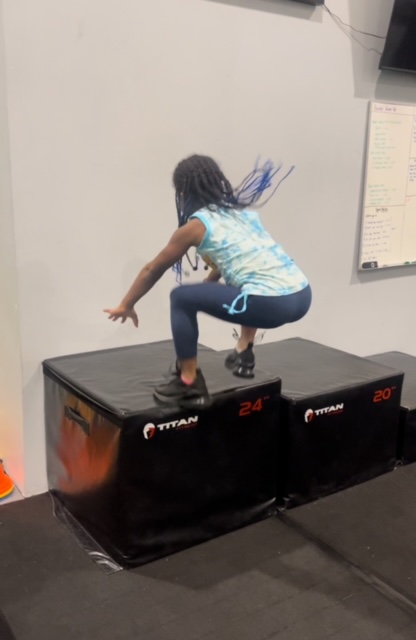
Introducing drills with too many steps leads to confusion, especially with younger players. Complex, multi-step drills often overwhelm young athletes who are still learning basic skills, causing frustration and making them want to give up.
Why this backfires: Complicated drills create confusion instead of competency. When athletes can’t execute a drill properly, they lose confidence and enthusiasm for training.
The fix: Keep drills age-appropriate and straightforward. Start with the basics and gradually introduce more complicated instructions as players become comfortable. Instead of a complex multi-step drill, break it down into simple, digestible pieces. Use clear instructions, demonstrations, and visual aids to enhance understanding.
Mistake #5: Skipping Warm-ups and Cool-downs
A proper warm-up primes the body for physical activity, increasing blood flow to muscles and reducing injury risk. Skipping it can lead to muscle strains or joint issues. Similarly, skipping the cool-down period leaves muscles tight and sore, slowing recovery.
Why this backfires: Without proper preparation and recovery protocols, young athletes face higher injury risk, decreased performance, and longer recovery times between training sessions.
The fix: Start each session with a dynamic warm-up including light jogging, arm circles, and mobility stretches. Wrap up with static stretching to relax muscles and enhance flexibility. This simple practice significantly reduces injury risk and improves overall performance. Make warm-up and cool-down non-negotiable parts of every training session.
Mistake #6: Ignoring Fundamentals for Advanced Skills
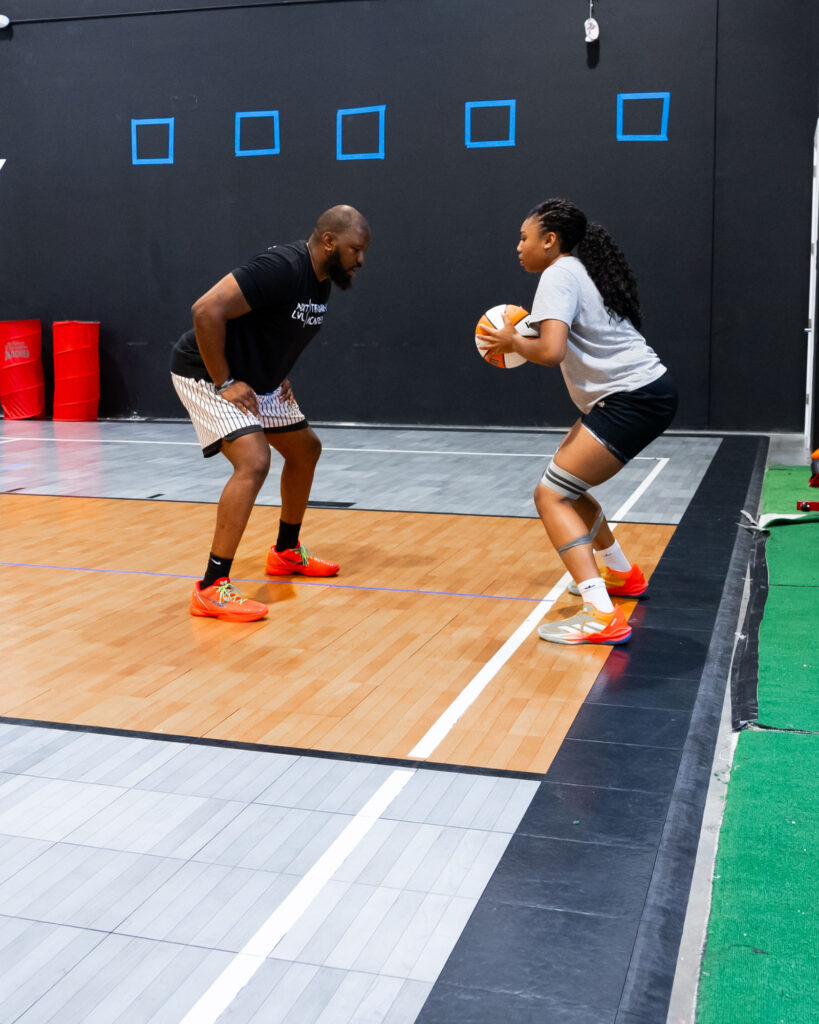
Many young athletes and coaches make the mistake of focusing on flashy, advanced skills before mastering the fundamentals. While executing fancy moves may be exciting, without strong foundational skills, these advanced techniques lack consistency and effectiveness.
Why this backfires: Poor foundational skills lead to inconsistent performance, increased injury risk, and limited potential for long-term development. You can’t build a house without a solid foundation, and you can’t develop elite athletes without mastering the basics.
The fix: Prioritize drills on core skills and focus on perfecting fundamental techniques before introducing advanced moves. This means emphasizing proper mechanics, basic skill development, and strong foundational principles early on. Once players demonstrate mastery of fundamental skills, then introduce more complex moves. Patience in development ensures long-term success and helps athletes reach their full potential.
Want extra guidance on teaching the basics? The Jr. NBA’s Teaching the Fundamentals page is an awesome resource for coaches and parents.
Mistake #7: Neglecting Injury Prevention and Recovery
Focusing solely on skills without considering the physical demands of the sport leaves young athletes vulnerable to fatigue and injuries. Many programs neglect exercises that strengthen joints and stabilizing muscles, particularly in areas prone to overuse injuries.
Why this backfires: Without proper injury prevention protocols, young athletes face higher rates of overuse injuries, particularly in shoulders, elbows, and knees. Poor recovery practices lead to accumulated fatigue and decreased performance.
The fix: Incorporate exercises that strengthen joints and stabilizing muscles, especially in areas prone to overuse injuries. Pair strength workouts with mobility training and schedule regular rest days to prevent overuse. Thoroughly plan training sessions with structured goals and specific objectives. This comprehensive approach keeps athletes healthy and engaged throughout their development.
For more expert tips on preventing and recovering from youth sports injuries, check out this comprehensive resource from Nationwide Children’s Hospital.
Taking Your Game to the Next Level
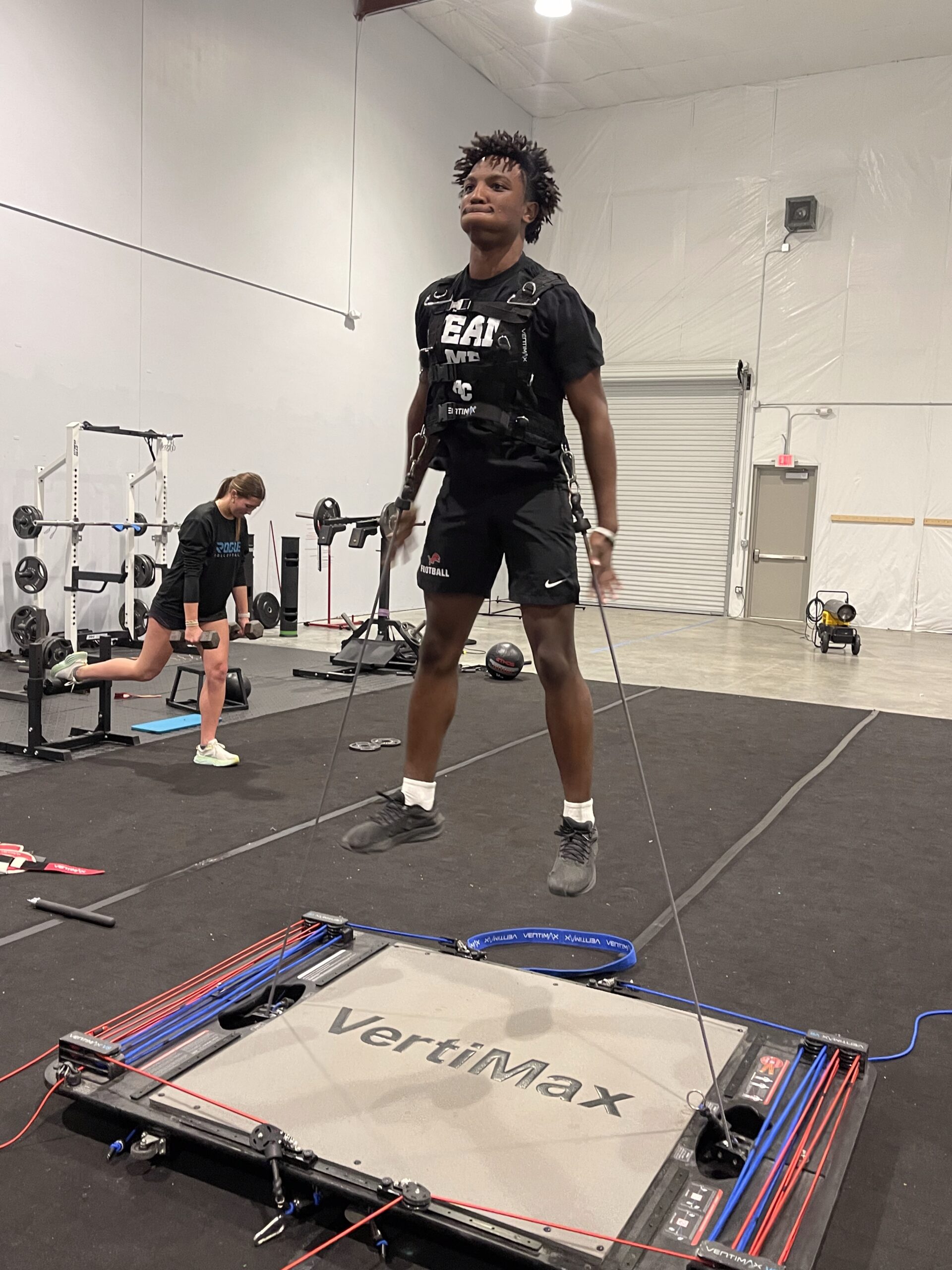
If you’re looking for youth sports training that avoids these common mistakes and focuses on proper development, Next Level Training Academy is here to help. Whether you’re interested in sport skills training, speed and agility development, or our innovative Vertimax training programs, we prioritize safe, effective, and age-appropriate training methods.
Our approach emphasizes mastering fundamentals, proper progression, and injury prevention while helping young athletes develop confidence, competence, and a lifelong love of movement and competition. We focus on building strong foundations that prepare athletes for success at every level.
Ready to see the difference proper youth training can make? Book a free session today and discover how we can help your young athlete avoid these common mistakes while maximizing their potential. At Next Level Training Academy, we’re committed to making sure we take your game to the next level: the right way.